LOCAL DESIGN REVIEW English website · Content pending business approval

EXPLORE / PCBELEC

PCB technologies

Compare rigid, multilayer, HDI, flexible, rigid-flex, metal-core, high-frequency and heavy-copper PCB manufacturing requirements.

Discuss your requirements
Green rigid bare circuit boards with exposed pads, vias and visible board edges

Start with the construction

Board technology is a starting point for defining the build. Electrical performance, mechanical space, thermal requirements and interconnection density inform the structure and material system.

Review the conditions together

A minimum feature size does not apply automatically to every copper weight or board thickness. Use the technical pages to identify the information needed for an engineering review.

Compare PCB technologies by design requirement

Select a construction against the problem the design must solve. Several requirements can coexist: a multilayer board may also need impedance control or heavier copper.

Compare PCB technologies by design requirement
Design requirementTechnology to investigateKey input
Stable rigid constructionRigid / multilayerLayer order and mechanical constraints.
Dense interconnectionHDIBuildup structure and via map.
Compact three-dimensional routingFlex / rigid-flexInstalled geometry and bend requirements.
RF transmissionHigh-frequency / impedance controlMaterial grade and electrical targets.
Thermal integrationMetal coreDielectric, base metal and mounting.
Power distributionHeavy copperFinished copper and conductor geometry.

CONTINUE YOUR REVIEW

Related manufacturing resources

Green rigid bare circuit boards with exposed pads, vias and visible board edges

technology

Rigid PCB fabrication

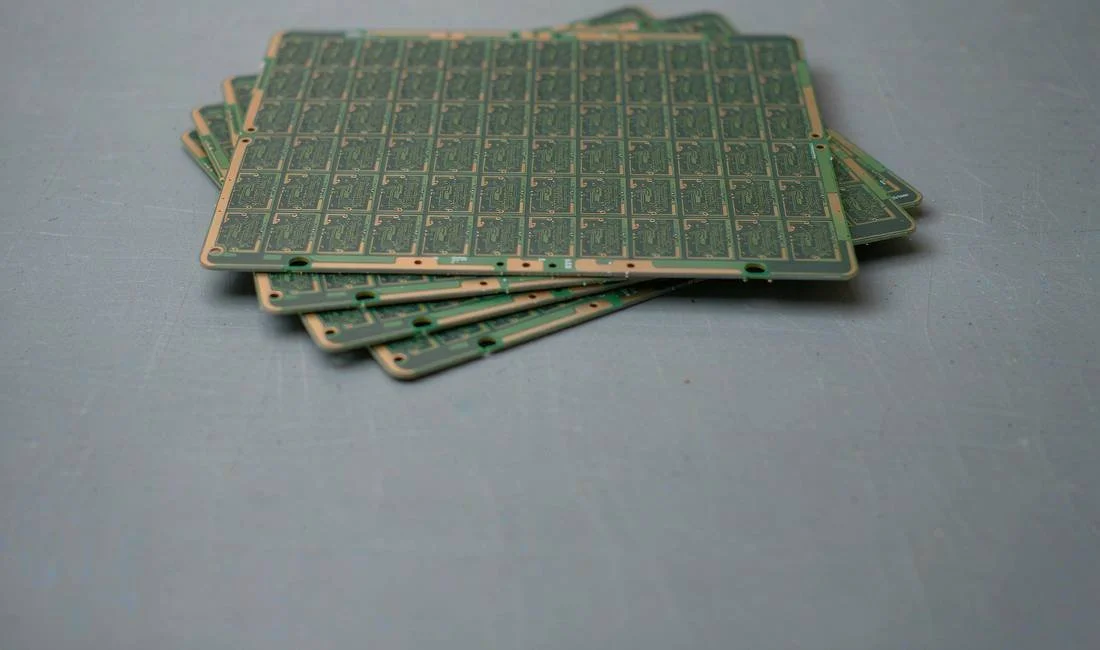
Rigid boards provide a fixed mechanical platform for circuit interconnections. Define board thickness, copper distribution, drilled features and outline tolerances as part of the manufacturing package.

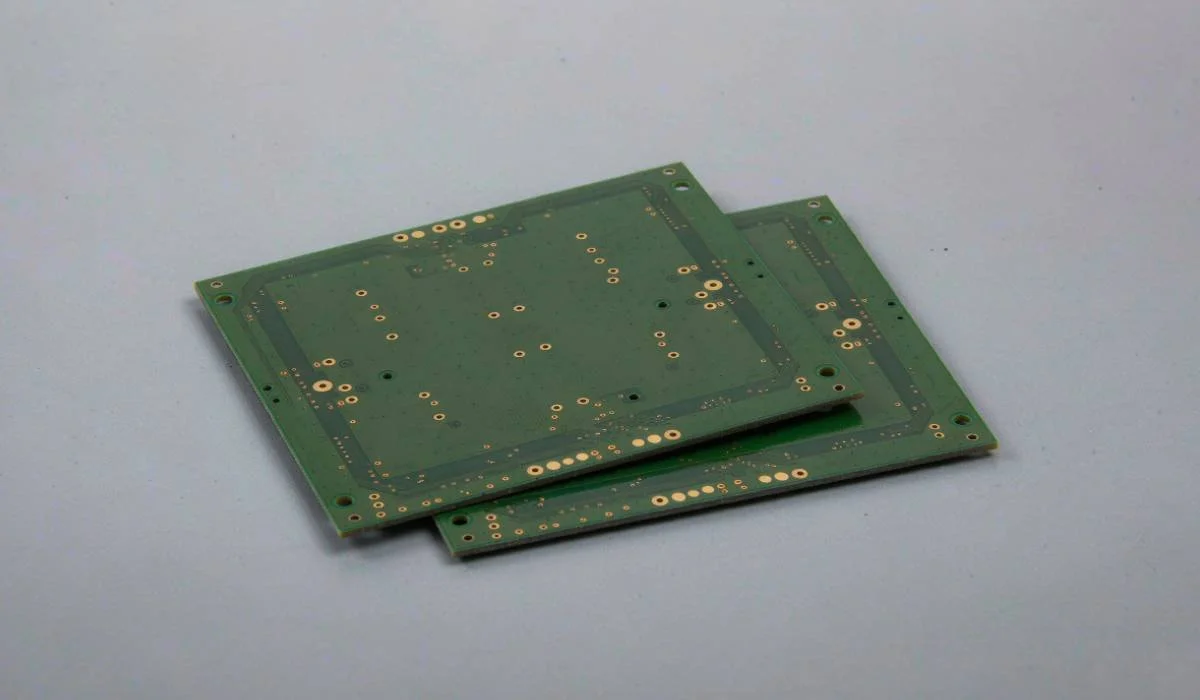
Matching bare PCB production panels arranged in a neat overlapping stack

technology

Multilayer PCB fabrication

A multilayer board combines multiple copper layers in a defined stackup. Layer order, dielectric thickness, copper weights and material selection should be confirmed before fabrication.

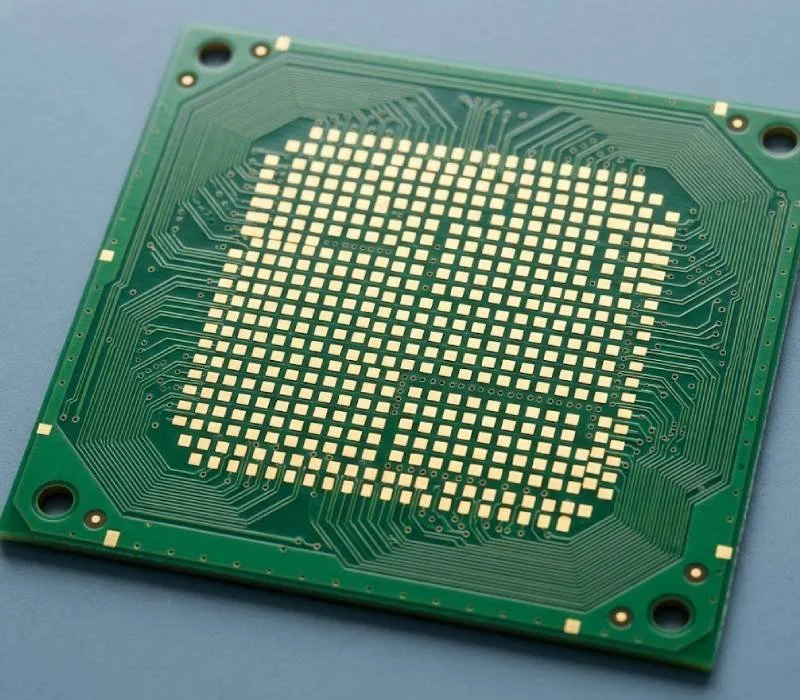
Close-up of a green bare PCB with a dense gold-colored pad array and fine circuit features

technology

HDI PCB fabrication

HDI fabrication supports high-density interconnections using fine circuit features and defined via structures. The buildup sequence and layer spans are essential manufacturing inputs.

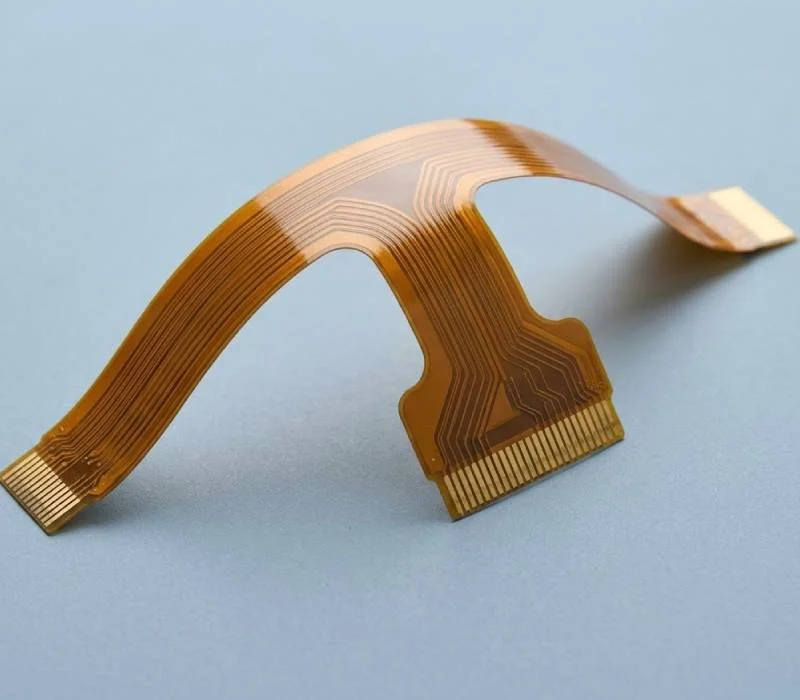
Amber flexible circuit with a gentle bend and exposed gold-colored contact fingers

technology

Flexible PCB fabrication

Flexible circuits connect electrical requirements with a bendable structure. Define the flex material, construction, coverlay and any local reinforcement needed by the design.

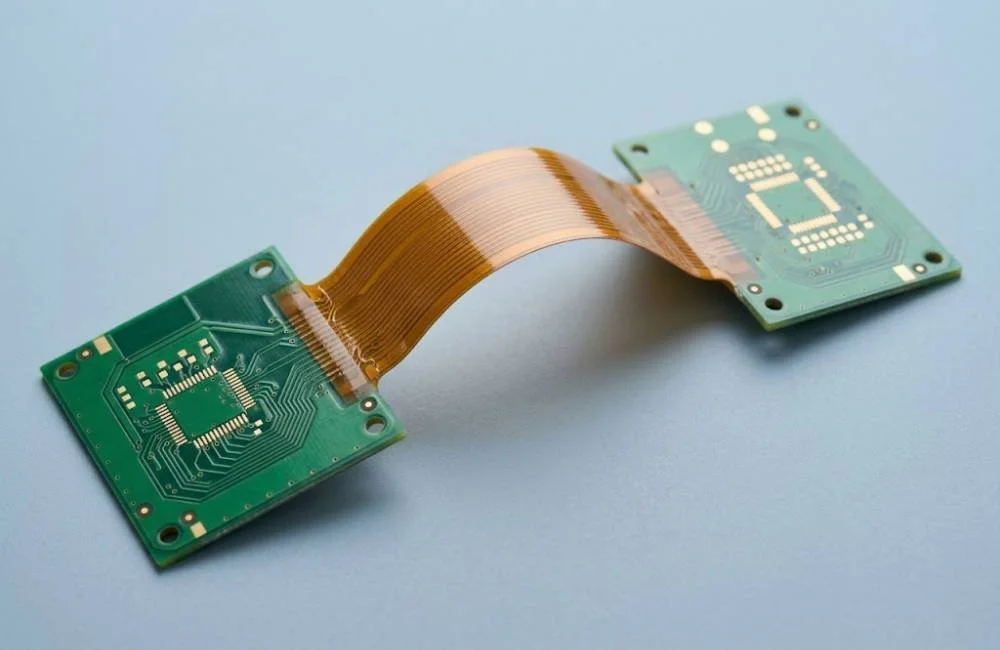
Two green rigid PCB sections joined by an integrated amber flexible circuit

technology

Rigid-flex PCB fabrication

Rigid-flex boards integrate rigid sections with flexible interconnections. Fabrication requires a clear definition of each region and how the layer structure transitions between them.

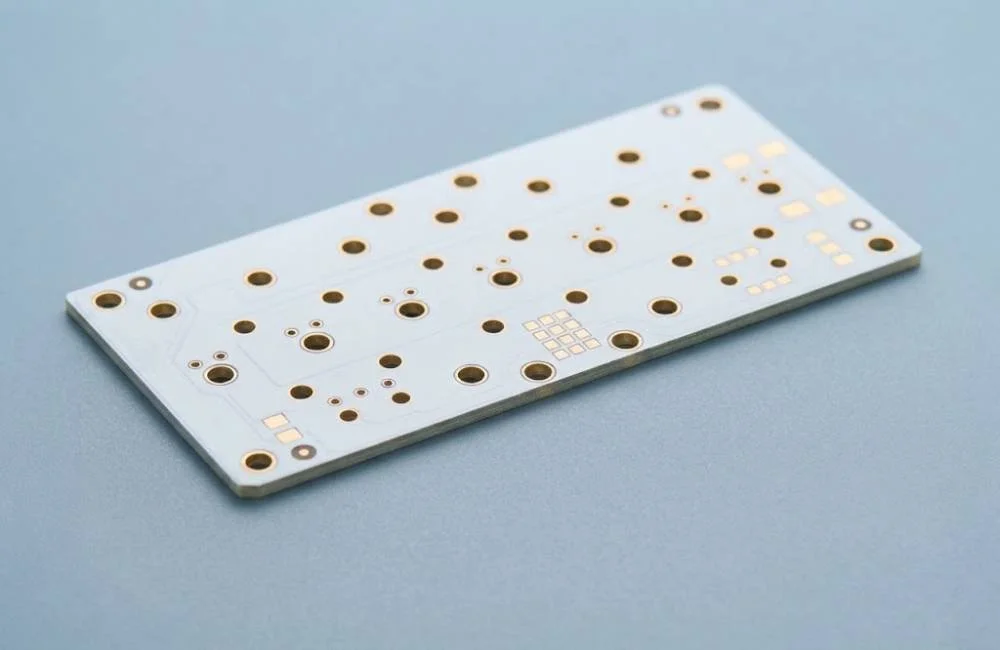
White metal core bare PCB with exposed pads and a visible silver-colored aluminum base edge

technology

Metal-core PCB fabrication

Metal-core PCB construction combines circuit layers with a metal base and an insulating system. Define the thermal, electrical and mechanical requirements together.

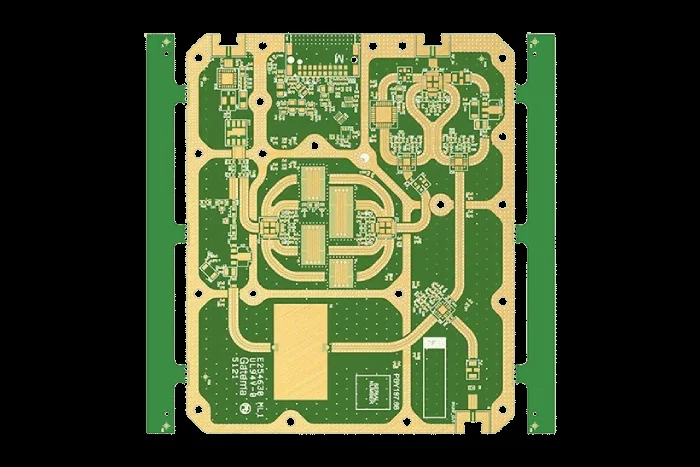
high frequency pcb

technology

High-frequency PCB fabrication

High-frequency PCB projects depend on the specified material system and electrical targets. Submit laminate requirements, stackup and any impedance requirements for review.

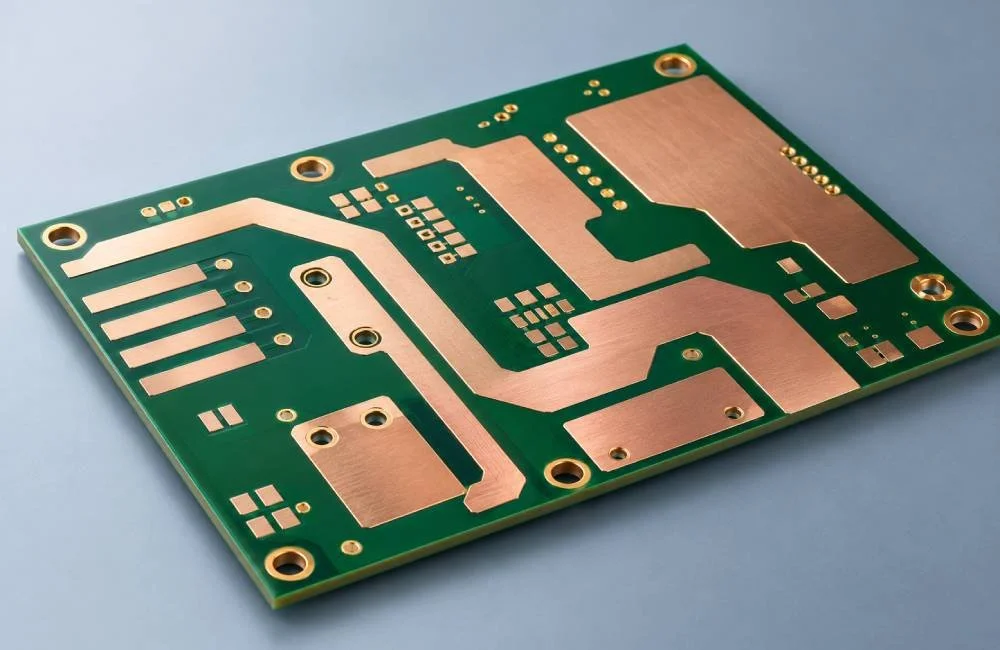
Close-up of a bare PCB with wide exposed copper conductors and large connection pads

technology

Heavy-copper PCB fabrication

Heavy-copper designs require copper thickness, circuit geometry and thermal requirements to be reviewed together. State the finished copper requirements separately for inner and outer layers.

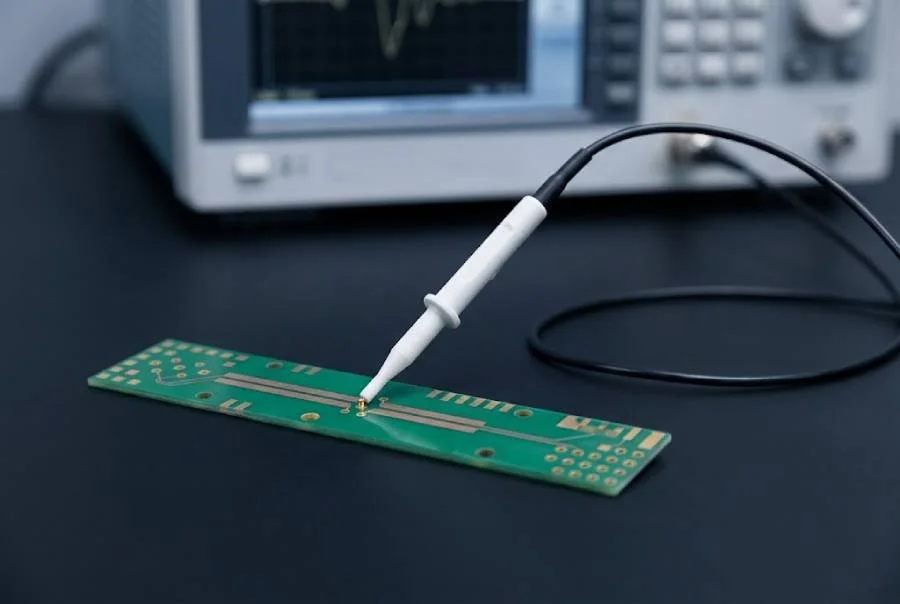
TDR impedance testing on a bare PCB controlled impedance test coupon

technology

Controlled Impedance PCB Fabrication

Prepare controlled impedance PCB requirements: target values, single-ended or differential structures, reference layers, stackup and TDR verification.

YOUR NEXT PCB PROJECT

Let’s define your next build.

Start with your files, requirements and target date.

Prepare a PCB inquiry