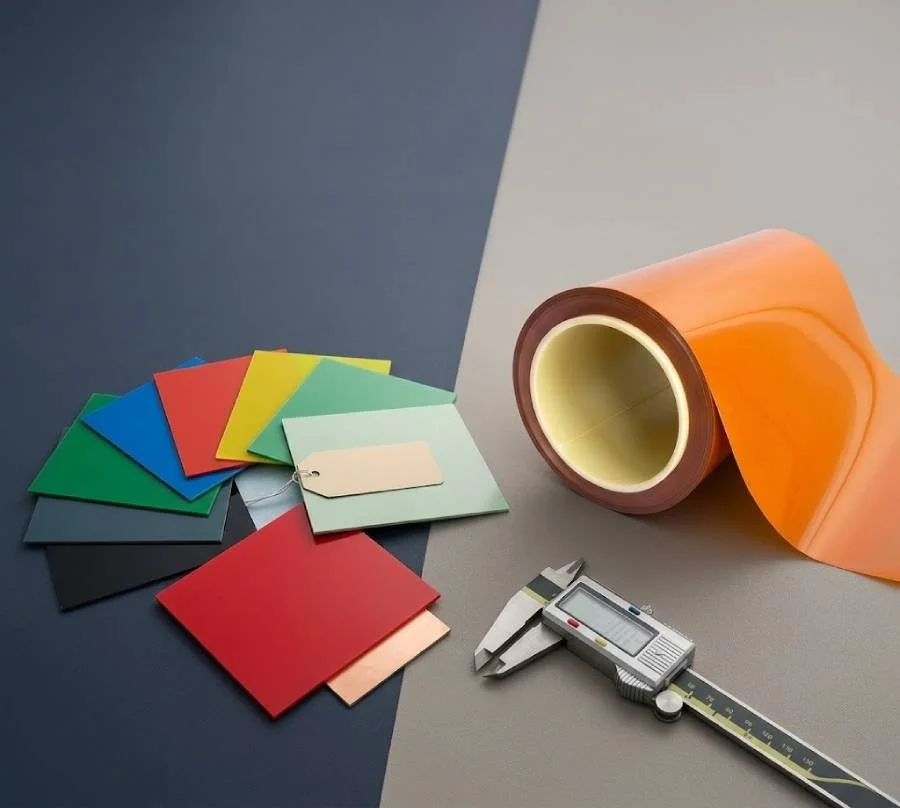
Choose by electrical and mechanical needs
Material planning should reflect electrical performance, operating conditions, thermal needs and the board structure. A named material grade and a broad material category are different specifications.
Material families
The original PCBELEC material library covers FR-4, high-Tg, polyimide, RF and high-frequency, aluminum, copper-core, ceramic and specialty material topics. Suitability and availability must be confirmed for the construction.
Control alternatives
Specify a mandatory grade, an approved list or performance-based requirements. If alternatives are allowed, identify what needs approval. Include the layer stackup and relevant electrical, thermal and mechanical targets.
Choose materials by the requirement they serve
The material system is part of the board construction. Compare electrical, thermal and mechanical needs together instead of treating materials as interchangeable names.
| Material family | Common selection focus | Define for quotation |
|---|---|---|
| FR-4 | Rigid and multilayer construction | Grade, dielectric thickness and copper. |
| High-Tg FR-4 | Thermal process and environmental demands | Grade and complete thermal requirements. |
| Polyimide | Flexible and rigid-flex circuits | Film, copper, bonding, coverlay and bend conditions. |
| RF laminates | Dielectric behavior and signal loss | Exact grade, construction and relevant data. |
| Metal-base systems | Thermal and mechanical integration | Base metal and insulating dielectric separately. |
Control material substitutions
If the design requires a named laminate, state that requirement. If alternatives can be proposed, define the approval criteria. A proposed equivalent should be reviewed against the relevant construction and properties, not accepted solely because it belongs to the same broad material family.