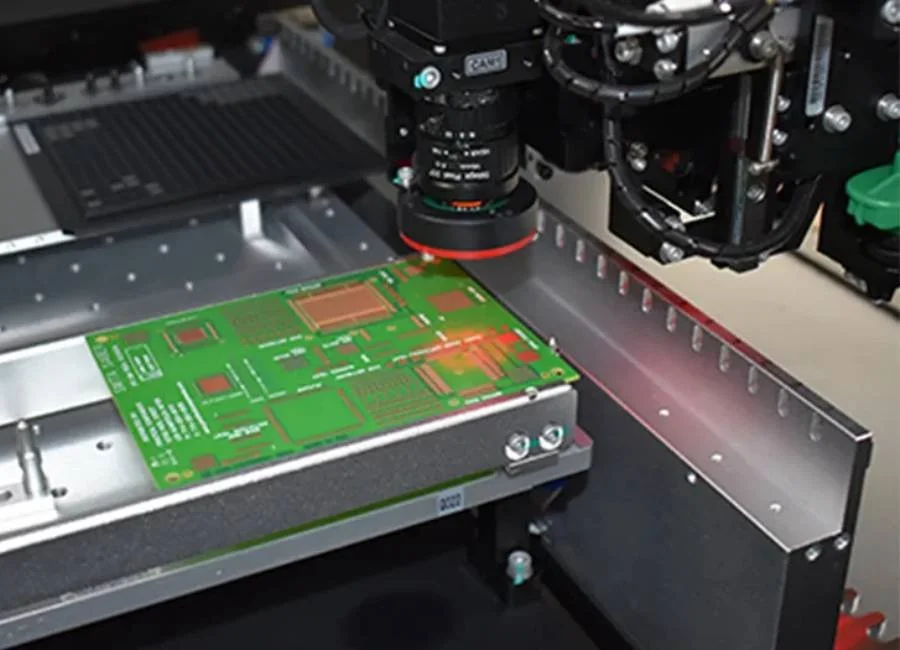
Electrical testing and flying probe
Bare-board electrical testing checks continuity and detects opens and shorts. Flying probe is a fixtureless method used for prototype and low-volume requirements. The applicable method and coverage should be agreed for the order.
Impedance and structural checks
TDR testing verifies controlled-impedance structures against the specified targets. Microsection analysis examines internal construction, plated holes, copper and layer relationships. These methods answer different questions.
Inspection scope and records
Visual and dimensional checks assess visible features and board dimensions. Identify the required sampling, acceptance criteria and reports before release. Bare-board inspection is distinct from post-assembly functional testing.
Different tests answer different questions
Use the verification method that addresses the requirement. These checks complement one another; one method does not establish every aspect of board quality.
| Method | Primary purpose | Does not replace |
|---|---|---|
| Optical inspection | Inspect relevant circuit-pattern features. | Electrical connectivity verification. |
| Bare-board electrical test | Check intended connections and isolation. | Functional testing of an assembled product. |
| Impedance measurement | Check agreed transmission-line test structures. | Complete system signal-integrity validation. |
| Dimensional inspection | Compare mechanical features with drawing requirements. | Internal construction review. |
| Cross-section review, when specified | Examine selected internal construction features. | All other inspection and acceptance requirements. |
Agree on records before fabrication
If your receiving inspection or qualification process needs test reports, identify them in the quotation request. Define the revision, sample or coverage requirements, acceptance criteria and reporting format. Special inspection should not be assumed from a general statement about quality.